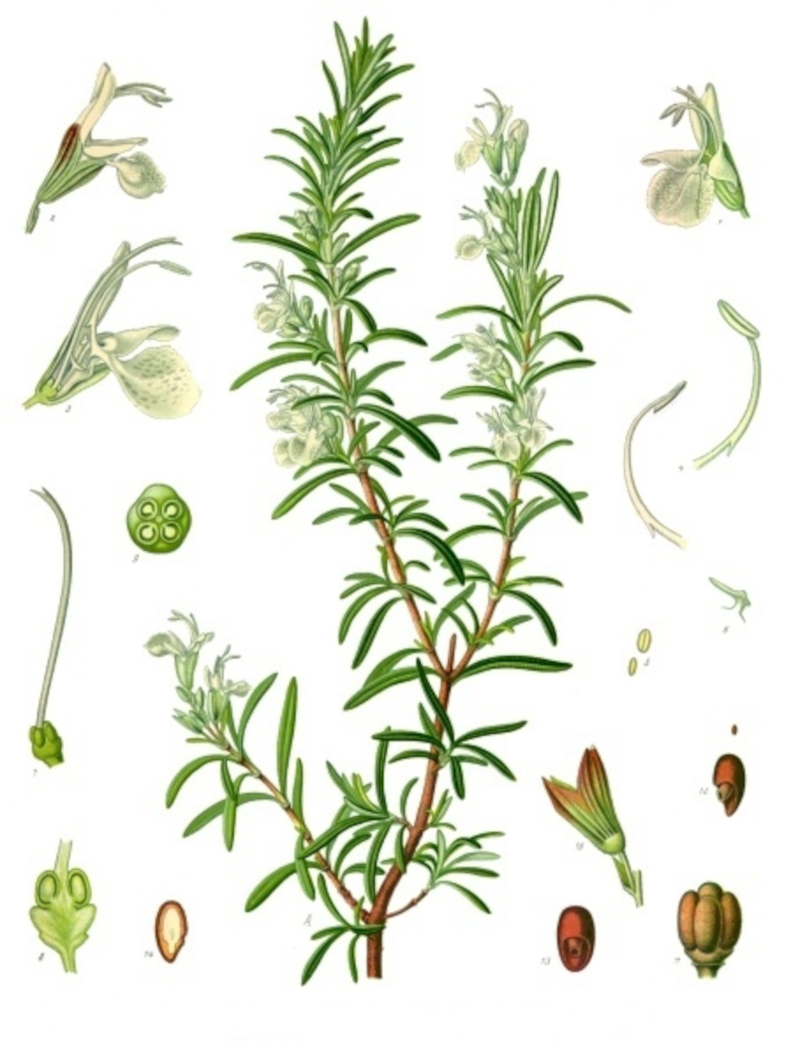
Rosemary is a wonderful flavour to work with in chocolate: its pine-like fragrance, and bold, aromatic character make it a partner for dark chocolate.
It’s a herb that demands respect, and rewards creative and thoughtful chefs.
The Nature of Rosemary
Rosemary is:
- Dominant: Its flavour is potent and can easily overpower other elements.
- Resinous: It has a piney, woody quality.
- Camphorous: It provides a cool, almost minty sensation in the finish.
- Bitter: A clean bitterness that complements the bitterness of dark cocoa.
- Aromatic: Its essential oils are volatile when captured correctly.
Because of its herbal strength, the method of infusion is paramount to prevent an experience that is too intense.
Never chop rosemary and add it to a ganache. Instead heat the cream and/or milk for the ganache and steep the fresh rosemary sprigs in it for a precise amount of time—usually 5 to 10 minutes after you have turned off the boil. Then, the rosemary is strained out.
This gives a clean, infused flavour without any gritty texture.
Let’s explore some ideas on how to use rosemary in bonbon preparation.
Rosemary and Dark Chocolate
A Rosemary Dark Chocolate Ganache is a thing of beauty.
- Use a high-quality, fruity dark chocolate: the acidity of the chocolate plays wonderfully against the resinous, green notes of the rosemary.
The ganache should be smooth, allowing the clear, aromatic voice of the rosemary to sing through the rich, bitter-sweet chocolate.
Feel free to sprinkle the bonbons with a couple of flakes of sea salt before serving.
Rosemary, Olive Oil and Lemon
This is a classic Mediterranean combination, and it translates very well to chocolate. It is a challenging project but the results are impressive:
- Create a rosemary-infused cream for the ganache.
- Once the cream is strained, whisk in a generous amount of a high-quality, fruity extra virgin olive oil into the dark chocolate before adding the cream. The oil emulsifies into the ganache, adding a a distinct fruity, peppery note.
- For the “lemon flavour” do not use juice, which can seize the chocolate.
Instead, use the lemon zest, or a drop of pure lemon essential oil, or even a touch of lemon peel -finely grated- and folded in for a tiny burst of texture and brightness.
It is vibrant, sophisticated, and utterly delicious.
Rosemary and Toasted Hazelnut
This combination moves towards earthiness and warmth.
- Rosemary remains the lead herb, infused into the cream.
- The “toasted hazelnut” element comes from praliné paste: fold the hazelnut praliné into the dark chocolate ganache, which provides a nutty sweetness and a subtle gritty texture.
- Add a small measure of hazelnut flour to the ganache, or minced toasted hazelnuts, to enhance the crunch and the nut flavour.
Final Thoughts
Rosemary is a gift to the creative chocolatier. It is robust, aromatic, and elegant.
Start with the pure infusion with dark chocolate and sea salt. Master that balance. Then, begin your experiments, always remembering that rosemary should be the lead vocalist, with other flavour providing harmony.
Your curiosity is the first ingredient of a masterpiece.
Do not be afraid to steep, taste, and create